

Availability
United Kingdom; available in all Chipotle restaurants and through digital ordering from 6 October 2026. The official launch release also confirms current availability across France and Germany. End date not stated.
Chipotle did not introduce Queso Blanco to Britain as a polite extra in a paper cup. On 6 October, the chain put the warm white-cheddar sauce across its UK restaurants and digital channels, then gave the launch a local prop: a silver-coloured “Queso Boat” shaped for pouring cheese over bowls, burritos, tacos and quesadillas. The giveaway lasted a day; the menu change did not. Queso Blanco remains promoted as a new UK menu item, and Chipotle’s launch announcement says it is also available across France and Germany. The sauce combines aged white cheddar, tomatoes and Mexican peppers, adding savoury richness and mild heat without asking the kitchen to invent a separate entrée. That is the real signal. Wild Bite Club’s Sauce-First Fast Food trend has tracked operators turning condiments into menu platforms rather than afterthoughts. Chipotle extends that logic from dipping bundles into made-to-order fast casual: one heated sauce can alter several familiar products, work as a side with tortilla chips and give customers a visible finishing decision. The gravy boat was a joke with table manners. Underneath it sat a serious question about menu architecture: can a modifier become the launch?
The Sauce Becomes the Structure
The formula is deliberately legible. Aged white cheddar supplies body and salt; tomatoes and Mexican peppers add acidity, colour and a restrained kick. Chipotle describes the sauce as smooth and serves it warm. Customers can add it to a main, order it beside tortilla chips or fold it into a combination already built from rice, beans, protein and salsa. The chain’s own suggested burrito pairs white rice, black beans, chicken, Queso Blanco and fresh tomato salsa, a build that positions the sauce as both binder and flavour layer rather than a stand-alone cheese course.
That flexibility is what connects the launch to Sauce-First Fast Food, but it also changes the trend. The Australian examples behind the WBC signal concentrated on chicken, dipping and multiple bold sauce choices. Chipotle is making one sauce travel through an existing assembly line. In a bowl, it can be drizzled across separate components; in a burrito or quesadilla, it becomes part of the structure; with chips, it creates a snack or side order. The same ingredient therefore reaches lunch, dinner and grazing occasions without requiring a new carrier.
The Queso Boat made this versatility unusually visible. Borrowing the vessel from a British Sunday roast translated the act of pouring, not the recipe itself. That distinction matters. Localisation often means changing flavour to suit a market; here, Chipotle kept the cheese sauce recognisably within its own menu language and changed the cultural frame around how it should be used. A familiar British serving ritual did the explanatory work for a less established menu habit. The boat was limited, but the image taught customers that queso is something to direct, spread and customise.
Localise the Ritual, Not Recipe
The operating appeal is straightforward, though not effortless. A cross-menu sauce can create novelty without multiplying finished sandwiches or bowls. If customers attach it to products they already understand, Chipotle gains an add-on with broad compatibility and a reason to revisit the same core ingredients. The consumer gains control: richness can be added to a full main, kept on the side or turned into a chip dip. The product’s value is therefore less about a single ideal build than about the number of credible roles it can play.
That is also the constraint. A sauce advertised as universal must survive very different combinations. Too much cheese can flatten fresh salsa, guacamole or a delicately seasoned protein; too little risks feeling like an incidental surcharge. Restaurant teams must hold it warm, portion it consistently and keep service moving while customers add another decision to the line. Chipotle has not published UK ordering data, so there is no evidence yet that the theatrical launch will produce durable attachment rather than short-lived trial. The one-day Queso Boat event may prove to have been simply a neat piece of cultural theatre.
Even so, the launch offers a useful test for other operators. Before building another limited-time burger, ask whether a distinctive finishing component can move across several established products and occasions. Then localise the instruction, not necessarily the ingredient: show people how the component belongs in their own eating culture. Chipotle’s cleverest move was not making queso British. It was making pouring queso look as self-explanatory as serving gravy. If the sauce earns repeat orders after the boat has sailed, the modifier will have done what many headline products cannot: changed the menu without needing to become a meal of its own.
Sources
Chipotle Europe newsroom: Queso Blanco UK launch · Chipotle UK current menu homepage · WBC Trend: Sauce-First Fast Food (context only) · Chipotle Europe newsroom downloadable press image (exact launch image; official media asset)
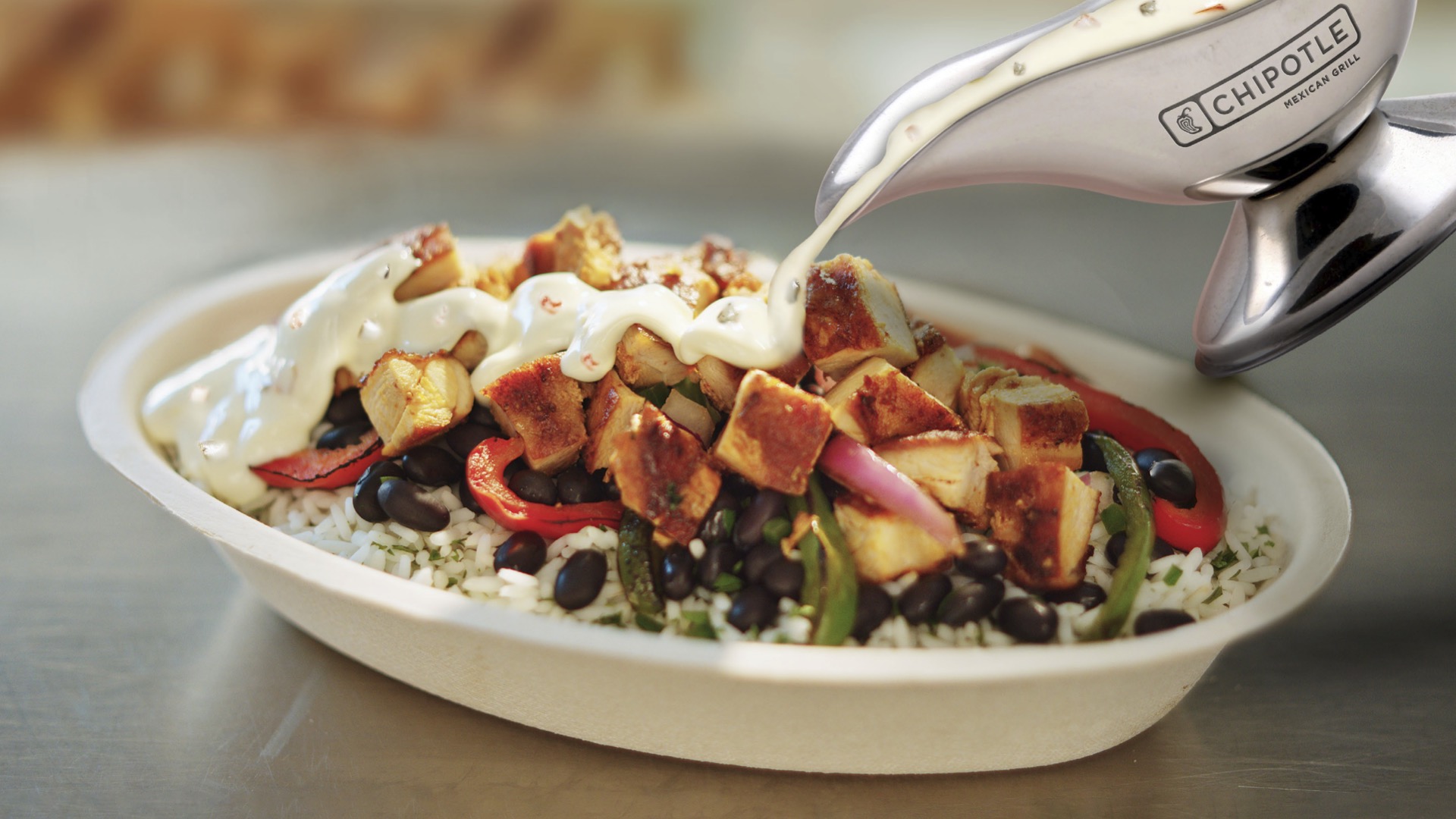
Image: Chipotle Mexican Grill