

Availability
Japan; participating Burger King restaurants from 9 October 2026; limited time and quantity; Tokyo Racecourse, Kyoto Racecourse and Kansai International Airport Terminal 1 locations excluded.
A sports sponsorship usually lives on a banner. Burger King Japan has put this one between two buns. Since 9 October, the chain has been selling two limited-run Pickleball Burgers: a double flame-grilled beef build and a crispy-chicken version, each layered with eleven pickle slices, lettuce, onion and a creamy sauce scented with dill and lemon. The burgers arrived just before the Burger King-sponsored pickleball tournament in Tokyo, turning the game’s eleven-point winning score into an edible specification.
That sounds like a pun stretched to lunch. The more revealing move is culinary. Pickles are no longer a supporting correction to fatty meat; their brine, crunch and herb profile determine the burger’s identity. Burger King has doubled down by repeating that flavour in the sauce, so removing the pickle slices would not return the sandwich to neutral. Brine has become the organising taste.
The timing makes the launch more than tournament merchandise. The four-day event ended in mid-October, but Burger King still lists the burgers on its Japanese menu as limited by time and quantity. Their usefulness now depends less on explaining a racket sport than on whether customers want a deliberately pickle-led meal. A sponsorship has opened the door; the food must keep it open.
Eleven Pickles, One System
The beef version stacks two flame-grilled patties under the same pickle, lettuce, onion and dill-lemon sauce system used on the chicken burger. That shared architecture matters. Burger King can offer two very different centres—smoke and beef richness on one side, a crisp-fried chicken patty on the other—while keeping the campaign’s flavour signature constant. The consumer is choosing a protein, not choosing whether the idea survives.
Eleven slices are literal brand theatre: pickleball games are ordinarily won at eleven points, and Burger King says the count was chosen to match. Yet the sauce prevents the number from being only a visual stunt. Dill reinforces the preserved-cucumber aroma; lemon extends the acidity; creaminess connects both to the fat and heat of the patties. The likely eating tension is designed into the build: sharp against rich, cool herbs against char or frying, wet sauce against crisp pickle. That is an inference from the specified ingredients, not a tasting claim.
Wild Bite Club’s Brine Flavor Crossovers trend has tracked pickle and fermentation flavours leaving the jar for drinks, dips, pizza and snacks. Burger King Japan complicates that signal in a useful way. This is not pickle flavour painted onto a side. It is a full QSR sandwich in which actual pickle texture and a pickle-adjacent sauce divide the work. The chain has made brine structural.
There is also a precedent hidden in plain sight. Burger King Japan launched an earlier Pickleball Burger in 2025, but that version put three beef patties and eleven pickles between specially developed rice patties. The current range abandons the rice-bun spectacle, reduces the beef stack and introduces a chicken route. The name returned; the mechanism changed.
The Sequel Changes the Mechanism
That redesign is the second layer. Last year’s burger behaved like a commemorative object: oversized, rice-bound and difficult to confuse with a standard order. This year’s products bring the sponsorship closer to Burger King’s everyday production grammar. Familiar buns and existing beef or chicken centres carry a new pickle-and-sauce package. The sports joke has been converted from an unusual carrier into a repeatable flavour module.
Burger King does not say that easier execution drove the change, and the menu alone cannot prove it. There is a fairer alternative explanation: the chain may simply have wanted a fresh sequel for the tournament. Even so, the operational consequences are real. A sauce and a counted pickle layer can travel across proteins more readily than a custom rice patty. They also expose a different constraint. If eleven slices are part of the promise, portion control becomes visible; a rushed build with seven or fifteen is no longer merely untidy, it breaks the concept. The public material does not reveal whether stores receive pre-portioned pickle packs or count at the station.
The two-burger range also separates novelty from appetite. The beef version carries the dramatic double-patty silhouette; the chicken version offers the same briny thesis in a less imposing build. If both sell, the durable asset is probably the flavour system. If only the showpiece moves, pickleball may remain an annual prop.
For other operators, the transferable lesson is not to name food after a sport. It is to let a collaboration impose one precise recipe rule, then reinforce that rule sensorially. Burger King’s eleven pickles create the headline, but dill and lemon make the number taste intentional. The launch began as sponsorship arithmetic. Its chance of lasting depends on whether acidity can outrun the joke.
Sources
Burger King Japan official 2026 launch release · Burger King Japan current menu · Burger King Japan official 2025 Pickleball Burger release · Burger King Japan official product post · WBC Trend: Brine Flavor Crossovers (context only) · Burger King Japan chain-supplied press image (downloadable release asset; JPEG, 1600×1200; exact beef product)
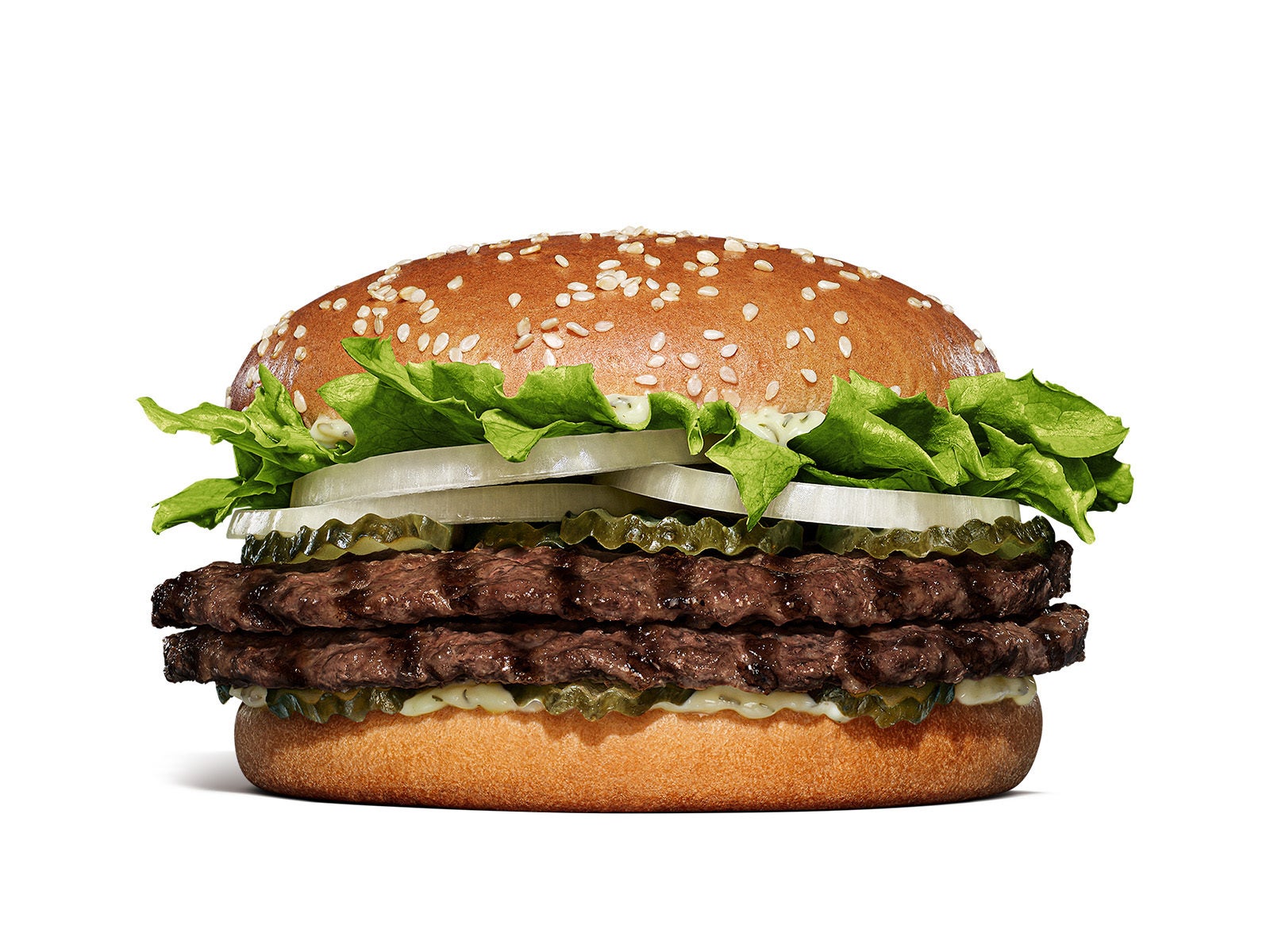
Image: Burger King Japan